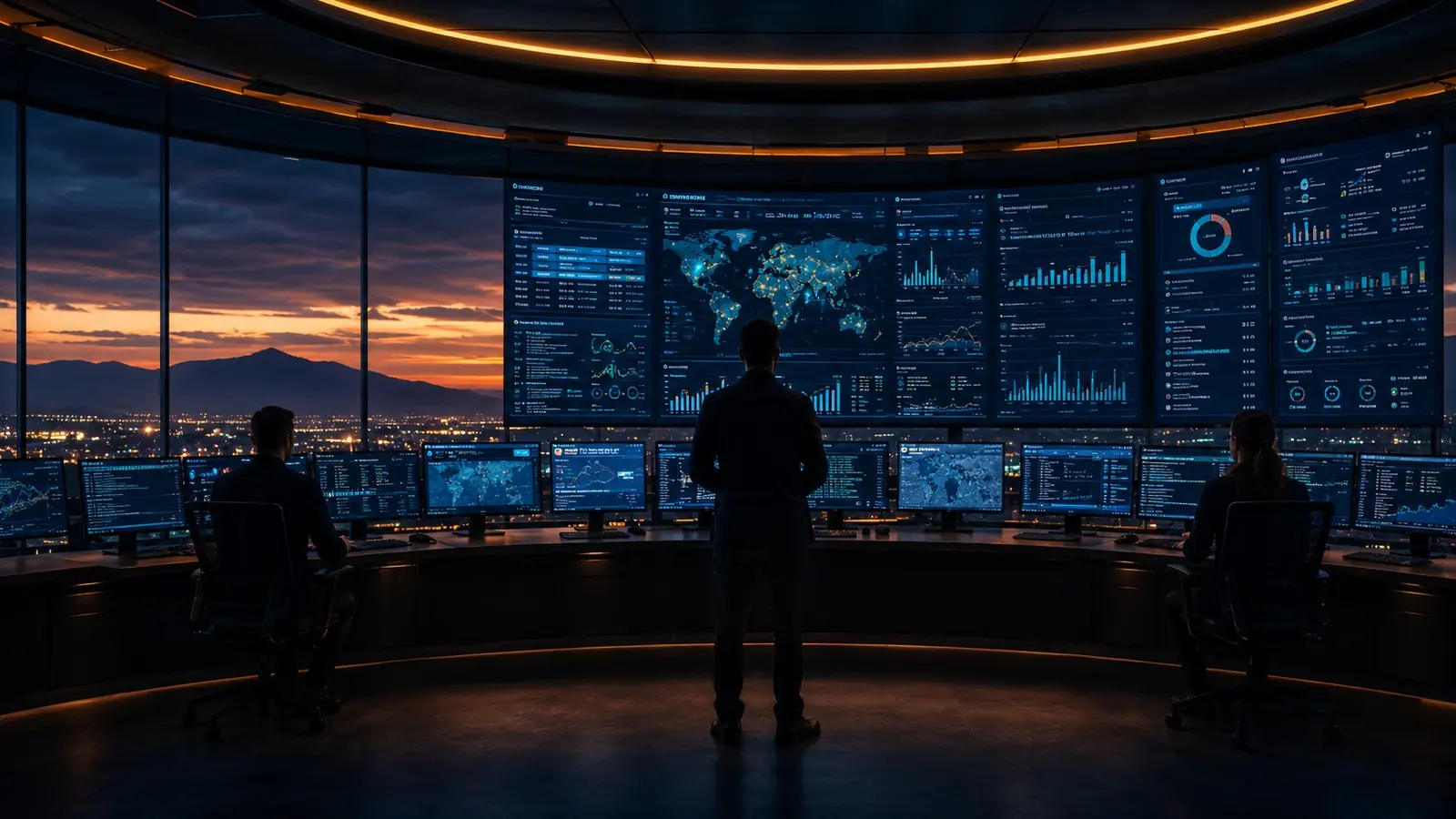
Trinity Nuclear Management pairs hands-on Los Alamos experience with an autonomous operations layer — Oracle Primavera P6 and Claude working cost, schedule, and risk in real time, on the nation's hardest missions.
Senior practitioners own every decision. AI carries the weight of the data. Risk is surfaced before it costs the program.

Every task, dependency, and milestone lives in one integrated schedule of record — the single source of truth the whole program works from.
AI agents read cost, schedule, and resource streams continuously — drafting EVMS narratives and flagging risk before it surfaces in a review.
Senior controls staff brief leadership on current data, not last month's rollup. Every output is owned by a person, accelerated by the machine.

Decades of on-site experience at the nation's heart of technology and innovation.

An autonomous controls layer running cost, schedule, and risk.

Senior staff brief leadership on current data — not last month's.

Design, installation, D&D, and disposal — end to end across the facility lifecycle.

Cleared, senior-led, and built for the work that matters.
Two of these already run in Trinity Sentinel; two are where it goes next. Each ships behind senior review — AI handles the repetition, people own the call.

Status notes, the monthly Project Report and EVMS variance narratives drafted from the project data — reviewed, edited and signed by a named person.

Monte Carlo finish confidence — P50, P80, P90 — and the driving path that moves the end milestone, surfaced before the date slips.

Today Sentinel scores earned value by control account every period. Next: scored as progress posts, so variance is visible as the work happens.

Program slip and recovery scenarios ship today. Next: a live model of the whole program — test a resequence or a funding change before committing it.
Trinity does two things, and they are the same thing. Our project managers run nuclear programs — and they build the software they wish they had always had. We bring those tools to every engagement, and we license them so your project managers can run their programs with them too.
Nuclear cost estimating built the way DOE reviews it — WBS-driven bases of estimate, AACE class tracking, risk and contingency, approvals, and bid packages in one controlled workspace.
Schedule health and earned-value intelligence for Primavera P6 programs — calendar-aware critical path, DCMA 14-point checks, statused forecasts, a local AI assistant that drafts variance narratives and proposes changes for a person to approve, the program review with resources, budget and cost risk across every project — and a DOE-format project report management reads first.
This is Sentinel on its synthetic demo project: the health of the schedule, cost and schedule performance, and what needs attention first — computed from the P6 file, on your own machine, with nothing leaving it.
Dashboard · synthetic demo data
Every change shows its effect on CPI, SPI, ETC and EAC before anyone approves it.
Every project in the program on one axis, and who moves when one slips.Trinity is assembling a senior bench for government nuclear work — cleared, technology-forward, and obsessed with delivery. Send a resume and tell us where you fit.
A 30-minute conversation about your program, your pursuit, or Trinity Sentinel — with the person who would do the work. Inquiries go straight to Jeffery Gammon; we respond personally, usually within a day.
Trinity actively pursues DOE, DoD, environmental, and project-support work — and is assembling the team to deliver it. Brief your program, team with us, or join us.